
SME Business Growth Planning Meeting

How to de-risk growth and build a more valuable business 

Growing a more valuable business means increasing revenue while protecting profitability, managing cash and building a team that can deliver. A major new contract might look like progress, but if it squeezes your margins or leaves every decision on your desk, it could make the business more vulnerable. 

Before committing to your next growth opportunity, ask: Will this strengthen the business, and are we ready to deliver? 

Understanding where growth could strain your finances, people, and operations helps you address risks early and move forward with confidence. 

Look beyond the turnover target 

Turnover is an obvious measure of growth. It’s easy to track and satisfying to see moving in the right direction. Yet it only tells part of the story.  

A large new customer might negotiate a lower price, require more stock, and demand longer payment terms. You could find yourself funding recruitment and materials well before the first invoice is paid. 

The sales forecast looks healthy, while cash becomes increasingly tight. 

Before pursuing an opportunity, work through its impact on margin, working capital and delivery costs. Consider what happens if payment arrives late or the work takes longer than expected. 

That gives you a clearer view of the return you can reasonably expect and the resources you’ll need to achieve it. It also helps you decide which opportunities deserve your attention. 

Identify where the business is most exposed. 

Every business carries risk. The useful question is whether you understand where yours sits and how growth might change it. 

Start with the areas where too much depends on a single customer, supplier, employee or product. 

For example, expanding an account that already represents a substantial share of your revenue could increase your exposure. The additional work may be attractive, but losing that customer would have an even greater impact. 

You may still decide to proceed. Alongside that decision, you could strengthen your wider sales pipeline, agree clearer commercial terms or develop additional customer relationships. 

As The Uspire Partnership explores in its guide to building a growth-ready business, an organisation needs the right capabilities to support its ambitions. Understanding your dependencies is a practical place to start. 

Your knowledge, relationships and drive have helped build the business. As it grows, your role needs to develop too. 

If pricing decisions, customer queries and everyday approvals all come back to you, the business can only move as quickly as your diary allows. 

Reducing that dependency takes deliberate work. Your managers need clear responsibilities, access to useful information and agreed boundaries for making decisions. Important customer relationships need continuity beyond your personal involvement. 

Choose one recurring decision that currently requires your approval. What would someone else need to handle it confidently? That might mean training, better information or simply a clear agreement about their authority. 

Building that ability across the team gives you more time to lead and makes the business less vulnerable when you’re away. 

Build consistency into delivery. 

Growth becomes harder to manage when every new order requires another workaround. 

Perhaps customer information sits in different systems. Project handovers rely on informal conversations. Or only one person knows how a critical process works. 

These arrangements can become increasingly costly as volumes rise, creating delays, mistakes and unnecessary pressure on capable people. 

Focus first on the processes that most affect customers, cash and profitability. Make responsibilities clear, document essential knowledge and address repeated points of friction. 

Technology may help, but understand the process before investing in a new system. Your team needs to know how the changes will improve their work and what they are expected to do differently. 

Consistent delivery protects the customer experience and gives you more confidence to take on more business. 

Make business value part of the conversation. 

Even if selling feels far off, thinking about what makes your business valuable can sharpen today’s decisions. 

A potential buyer will want to understand how dependable its earnings are, whether customers will stay, and how effectively the business can operate after a change in ownership. 

Those questions matter while you own it too. 

Reliable income, healthy margins, strong customer relationships and a capable management team can give you more options. They also help you assess whether a growth opportunity strengthens the business or adds complexity without enough reward. 

Bring that perspective into your planning: if we pursue this opportunity, what will make the business stronger and more valuable in two or three years? 

Choose your next move. 

You don’t need to tackle every risk at once. Start with the issue most likely to limit your next stage of growth. 

That could be customer concentration, cash pressure, inconsistent delivery or too much reliance on you. Agree who will take responsibility, what needs to change and how you’ll measure progress. 

At Energize Partners, we work alongside business owners and leadership teams to turn growth ambitions into practical commercial decisions, with a clear focus on performance and long-term value. 
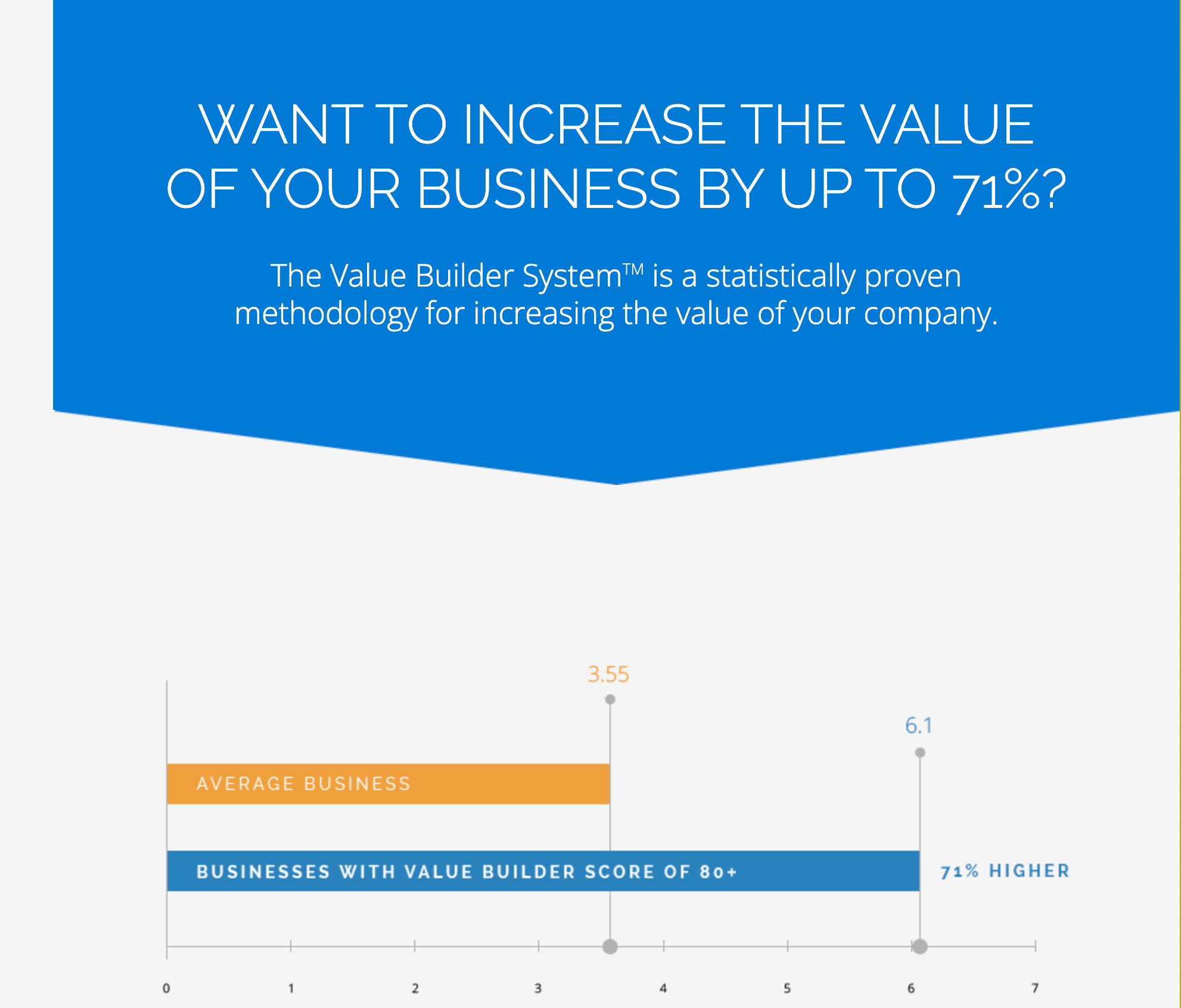
Value Builder Score Diagram

Want a clearer picture of where your business stands? Start with your Value Builder Score to explore the factors influencing its value and identify where to focus next.